Breaking down seven common music therapy myths.
How much do you know about music therapy? This World Music Therapy Week our Nordoff and Robbins music therapists myth-bust some common music therapy misconceptions.
1. Only people who are ‘musical’ can take part in music therapy
Music therapists want each client to enjoy the music-making process during a session. However, there is no requirement to know how to play an instrument or even to have a noticeable enjoyment for music beforehand.
The Nordoff and Robbins approach to music therapy is rooted in the belief that everyone can respond to music, which has the potential to benefit all of us. Often, our music therapists explain, it is people without music in their lives who may benefit the most by a music therapist helping them to experience the wonderful affordances of music.
2. Music therapy is only used to calm people down
Music therapy is a collaborative and often lively process. Sometimes, those around the people that our music therapists support (care staff, teaching assistants, relatives) are really surprised about how interactive the music therapy sessions are! In Nordoff and Robbins music therapy sessions, music-making takes place collaboratively based on what the individual brings to the session and how they engage with the music. Our music therapists focus on bringing the best music out of each person, helping them through connections and relationships.
3. Music therapy is the same as musical entertainment
A common misconception relates to the role of the music therapist – that they solely play music to the person in the session as a form of entertainment. The enjoyment of music is not to be underestimated, however, music therapy sessions focus more widely around each individual and what they bring to the session. In most cases, the goal of music therapy is to create music together, with each client an active participant in music-making. It is this approach that helps to develop therapeutic relationships in sessions between the client and music therapist, week by week.
4. Music therapy is only for children
There is no age-limit for anyone to take part in music therapy – it isn’t only for children! Our Nordoff and Robbins music therapists have the pleasure of working with people of all ages, from newborn babies all the way through to adults of over 100 years of age.
5. Music therapy is only for people with dementia
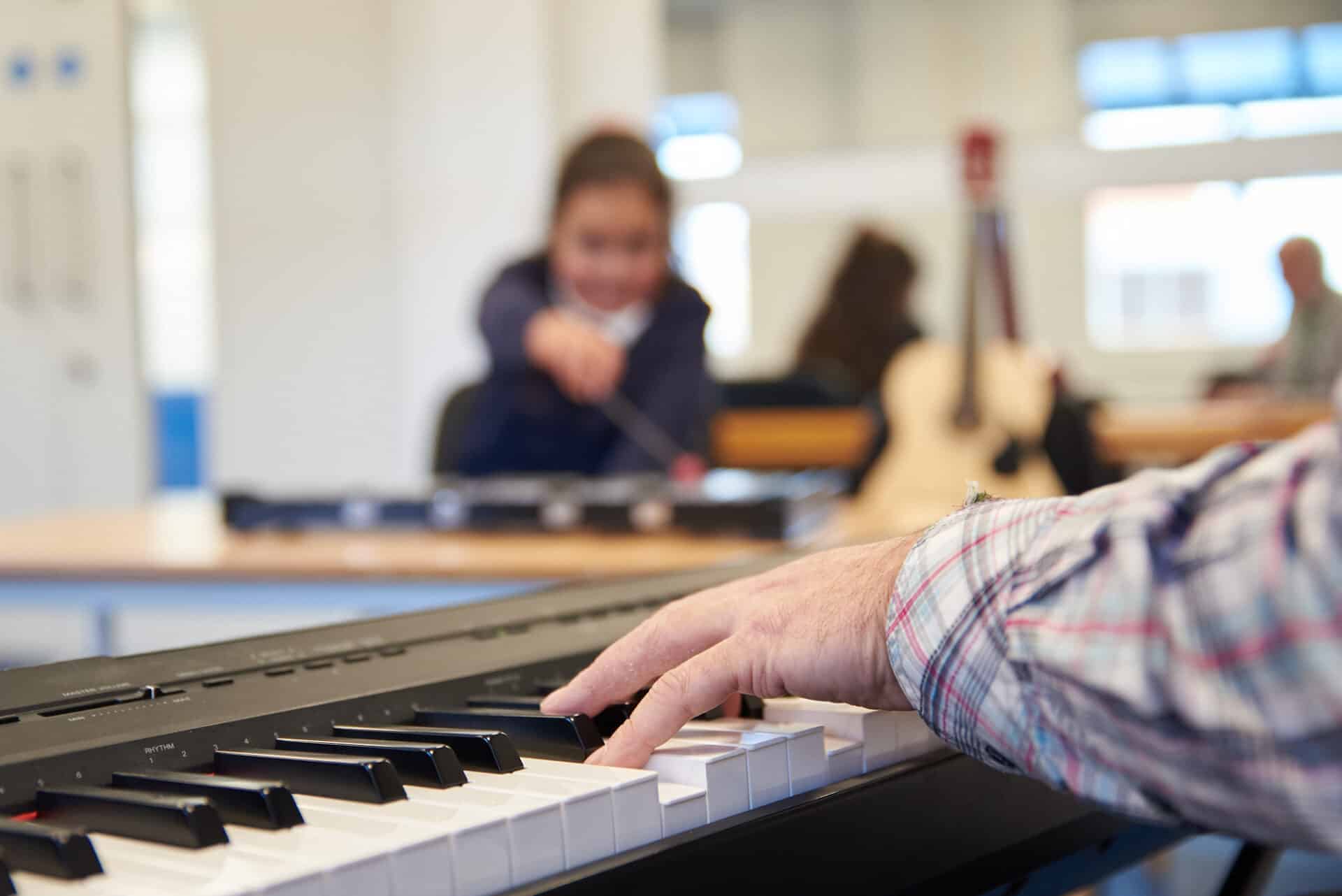
Music therapy can provide a form of support for people with dementia, offering opportunities for connection, enjoyment and helping to retain a sense of personal identity. However, people from all different life circumstances can benefit from music therapy too. The range of work of music therapists includes mental health, refugee centres, SEN and mainstream schools, end of life care and community projects.
6. Music therapy only takes place in groups
Music therapy can take place in groups (small and large) – but sessions take place in lots of other formats too! This can range from individual sessions, joint sessions with other professionals and sessions with family members, carers or friends.
7. Music therapy is the same for everyone
Our music therapists adopt the Nordoff Robbins approach to music therapy. Our approach is based on the fundamental principles of listening, connecting and empowering the people we work with. However, what this looks like in sessions can be very different for each person that our music therapists work with. Playing instruments, singing, songwriting, using music technology, improvising and using familiar music can all be part of what happens in music therapy.
A huge thank you to Anna, Beverley, Brooke, Lucie, Kathryn, Connie and Jo for sharing their music therapy wisdom to help break down some misconceptions!
Latest posts
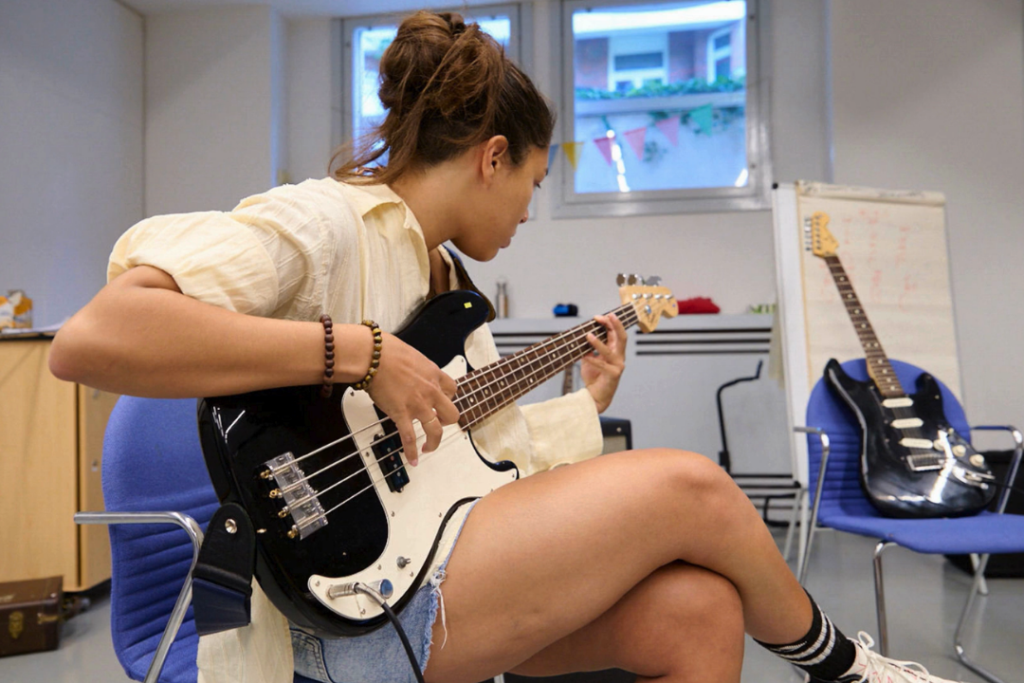
Can social prescribing support mental health?
How can social prescribing support mental health? Rosie shares her experience of music therapy as a form of social prescribing.
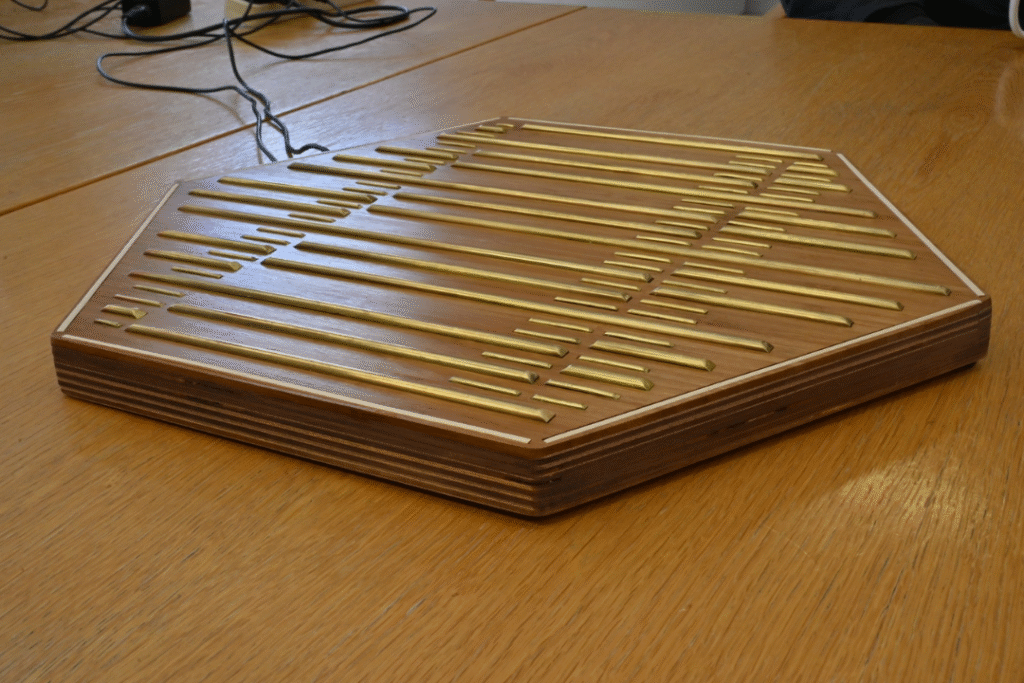
Can technology make music more accessible?
The ‘ReHarp’, a digital instrument designed to support rehabilitation following a stroke or brain injury, is showing how innovation can make music more inclusive, and allow creativity and expression to become a part of recovery.