Eight top tips for budding songwriters
Our music therapist, Jo Humphreys, shares her advice on how to approach the songwriting process.
As music therapists, we use songs a great deal in our work – to connect, to challenge and to comfort. We might build familiarity and recognition by using the same greeting song at the beginning of each session. In a group session, we might share our song preferences as a way of learning about each other’s personality and musical identity. Encouraging people to write their own songs as part of their music therapy journey can also be a helpful and rewarding tool. Songwriting can help support expression, process thoughts and feelings, celebrate creativity, and provide motivation to reach a tangible goal.
1. Listen
Take a song you love and really listen to it. Can you pinpoint why it makes you feel the way you do? Maybe it’s the content of the lyrics that draws you in? Or an irresistible beat. It might be something in the way the singer uses their voice, or a specific instrument used in a certain way. This close listening can encourage you to think about all the elements of a song before you begin writing your own.
2. Experiment
If starting with nothing feels too daunting, try writing some new lyrics to a tune you know well. Or take a favourite piece of poetry and create your own melody for it. If you’re feeling creative, record yourself improvising a tune and listen back afterwards. You might find a snippet of melody or a chord progression that you’d like to develop further.
3. Make it personal
Try to write lyrics about your own authentic experiences and feelings, perhaps using single words at first then building up gradually to whole lines. You might find that you’re able to say things through lyrics that you haven’t been able to say out loud before. If you decide to share your song with others, it might help them better understand what you’ve been through or how you’re feeling.
Writing lyrics can also help organise your thoughts and feelings in a different way, which can in turn make them more manageable. Carrying a notepad with you or using a voice recording app on your phone is really useful if you have an idea and want to capture it quickly.
4. Find the music in your words
Once you have some lyrics, reading them out loud can help you decide how to set them to music. Each of us has a natural pitch, tempo and inflection when we speak, which can guide us intuitively towards a melody. This will help the song sound authentically yours and may mean you feel more comfortable if you then decide to sing it. The content of your lyrics might also lead you to a particular musical style – whether that’s bold and energetic, reflective and solemn or anything in between.
5. Keep it simple
Some of the very best songs are written using only a handful of chords – if you’ve ever heard the Axis of Awesome you’ll know this is true! Don’t underestimate the power of simple harmony and repeated melody. In fact, the most memorable songs use very short repeated musical phrases, so once you find a musical idea you’re happy with – repeat it!
6. Collaborate with others
Working together with other people to create a song can be a very rewarding process. Songwriting helps start conversations, explore ideas and find common ground. Combining the strengths of many people can make for a fruitful and unexpected outcome.
Technology can be a wonderful asset too – using online tutorials and apps like GarageBand and BandLab, which offer ready-made loops and accompaniments, you can quickly create your own musical accompaniments.
7. Enjoy the ride
Don’t expect a fully formed song to emerge straightaway – the songwriting process can take time, but that’s part of the enjoyment. If you have lots of ideas that don’t work together in one song, make more songs!
Whether this results in a public performance, sharing it online for the world to hear or allowing a trusted friend or family member to listen to it, the feeling of someone else hearing your musical expression can be incredibly validating.
8. Give it a go!
Remember, you don’t need to be an expert to try writing your own songs. Every single one of us has unique thoughts, experiences and creative talents which deserve to be heard and celebrated.
The most common reflections I hear from people who have tried songwriting for the first time in music therapy are “I didn’t think I could do that” and “I’m so proud of what I have achieved!”
So go for it – you might just surprise yourself!
Latest posts
Can social prescribing support mental health?
How can social prescribing support mental health? Rosie shares her experience of music therapy as a form of social prescribing.
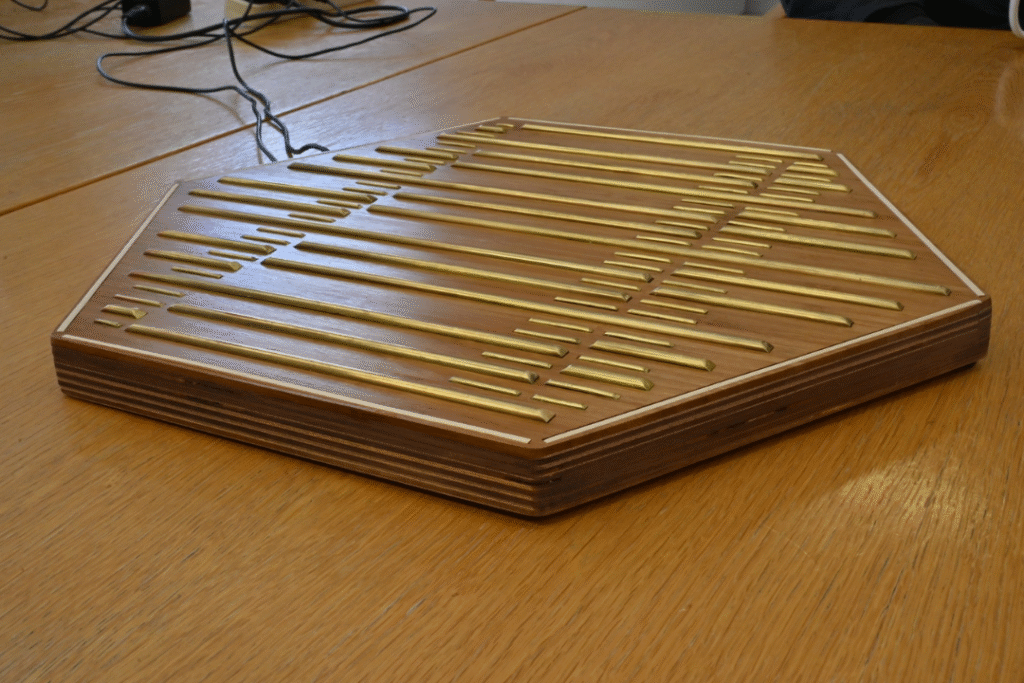
Can technology make music more accessible?
The ‘ReHarp’, a digital instrument designed to support rehabilitation following a stroke or brain injury, is showing how innovation can make music more inclusive, and allow creativity and expression to become a part of recovery.