Support a loved one living with dementia through music
At Nordoff and Robbins, we advocate for the power of music through our work. In recognition of World Alzheimer’s Day, our music therapists shared their top tips on how you can use music to connect with a loved one living with dementia.
Music can be a powerful tool for people living with dementia. It can help to unlock memories and retain personal identity. And you too, can use music to support a loved one living with dementia.
1. Remember, it’s all about connection
Music can be a great way to experience meaningful connection with a loved one. It can provide a sense of flow that can so often be missing for people living with dementia. Plus, music doesn’t always have to rely on the use of words.
Try to think of music-making as a window of opportunity for things to really make sense for your loved one. Rhythm and melody can provide a structure to build upon. Enjoying music with your loved one is about achieving a connection in that time and space, and helping them to feel safe and heard. If you hold this in your mind as the number one thing, you’re halfway there.
2. Music doesn’t have to involve words
For people living with dementia, using language and having meaningful conversations can become more difficult. Life experiences in general can become more fragmented.
If a loved one can no longer use words, it might feel hard to know how to connect with them. Remembering that music doesn’t have to include words can be really important. Experiencing the same thing together, in the same moment, is a powerful means of social connection. You might have felt it when surrounded by people whilst watching a sport, singing in a choir, or even working on a project. It is this togetherness that fuels connection.
So how can you access this connection, without using words? Try humming or tapping along to music, or even ‘la-la-la-ing’. A familiar song to your loved one can be a great place to start. A familiar melody has the power to take you and your loved one on a musical journey, which can be a special opportunity for a moment of bonding and meaningful connection.
Help us bring music to people living with dementia
Val is 86 years old and living with vascular dementia. Coming to terms with the diagnosis wasn’t easy, bringing a lot of uncertainty and change. However, music therapy became a source of hope and happiness for her and her family. Life is no longer just about hospital appointments, tests, and diagnoses – Val and her family can now talk about and celebrate her love of music.
If you are able, please support our work today by donating.
By donating today, you’ll be helping people like Val to connect with others through the power of music therapy.
3. Forget about getting the “right words”
When enjoying music with a loved one, we’ve mentioned that familiar music can be a great starting point. But remember, this doesn’t mean you have to know every song from start to finish! Repeating a catchy chorus and even making up words inspired by what’s going on around you can be great options to keep the music going.
If your loved one does begin to struggle with the words of a song whilst making music together, don’t be afraid to drop the words altogether. Making music without words can be just as effective in maintaining that connection, whether through humming or even just by tapping along to the music.
Sometimes, people living with dementia find it easier to repeat the parts of a song that they do know, rather than going through the feelings of insecurity when they’re confronted by the part that they don’t know anymore. Your goal can just be to join in with your loved one by tuning into them and just following along with wherever the music goes. And above all, try to have fun and enjoy it together. And don’t worry about sounding good!
4. It’s not about how ‘good’ you sound!
The best moments in music can often be the ones where we feel connected to others. A catchy chorus that everyone knows, for example. It’s not always about how ‘good’ you sound. If you’re worried about how you sound when exploring music with a loved one, just remember to focus on the connection. You can do this by mirroring what they’re doing musically. Perhaps they vocalise very quietly, and you might try to match this. It’s also good to remember that you’re trying to help your loved one to be brave and risk the vulnerability of an attempt at connection. So sometimes, what may feel like the simplest and smallest leap into music is just what you need to offer.
5. Use movement to connect
Moving to music can be a really powerful way to connect with someone who lives with dementia. But don’t worry, this doesn’t mean you need to get up and dance together (although, you absolutely can)! Just joining in with the small movements that your loved one might make while they’re listening to music can be a really powerful way of showing them that you’re there with them and enjoying the music together.
6. Tune in to your loved one
Sometimes people aren’t in the mood to make music or sing a song. And that’s okay! Perhaps it’s not something they’re used to doing, and it’s a little bit scary. It’s really important to respect this and listen to what they are telling, or showing, you.
Music does provide a really unique opportunity for people living with dementia to experience a sustained, meaningful connection. So, you can always offer the opportunity to make music at another time, when you can. And always be ready to take up opportunities to make music with your loved one, should they bring it to you themself.
Thank you to our music therapists John, Kate, Pam and Reuben for sharing their music therapy insights.
Latest posts
Can social prescribing support mental health?
How can social prescribing support mental health? Rosie shares her experience of music therapy as a form of social prescribing.
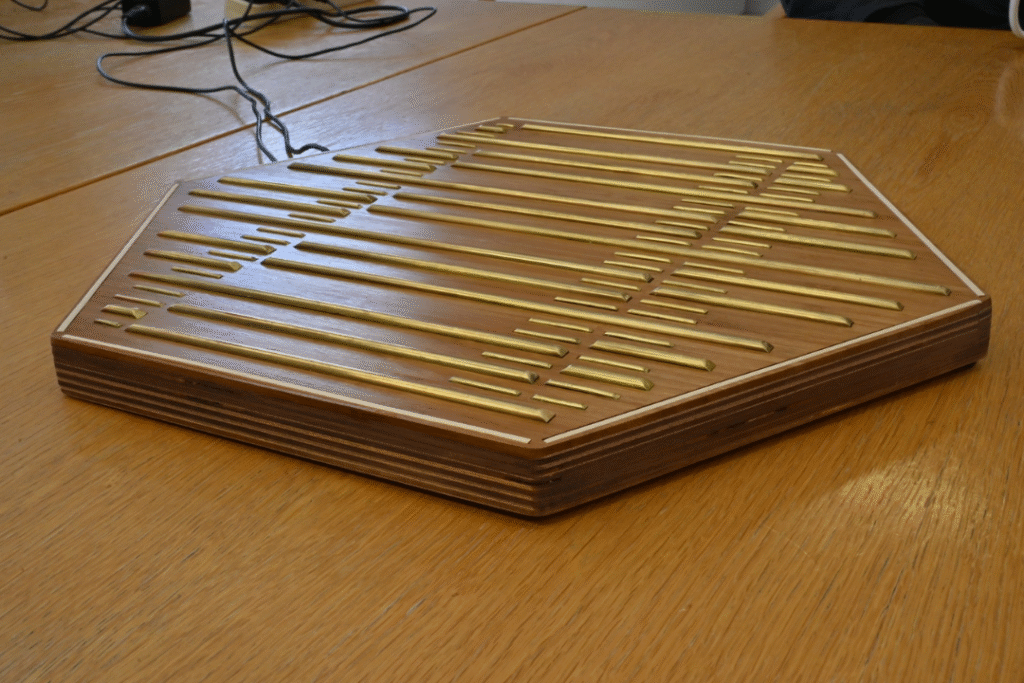
Can technology make music more accessible?
The ‘ReHarp’, a digital instrument designed to support rehabilitation following a stroke or brain injury, is showing how innovation can make music more inclusive, and allow creativity and expression to become a part of recovery.