World Hearing Day: Five tips for music-making with hearing loss
It’s World Hearing Day on 3 March. And we want to spread awareness that music can be shared with and enjoyed by people experiencing hearing loss. So, we spoke to Anna, one of our music therapists, who shared her top tips for making music with people who are hearing impaired.
1. Make sure to look at the person you’re making music with
It’s important to remember to face towards the person you’re making music with if they’re hearing impaired. This will ensure that it’s as easy as possible for them to lipread or understand any gestures that you make.
2. Good lighting – it’s a must!
Good lighting can be really important when making music with someone who is hearing impaired. This will ensure that they’re able to see your face clearly the entire time!
3. Why not try other methods of communication?
Remember that spoken language isn’t the only method of communication – and there are other ways that may be helpful to people who experience hearing loss. Some examples are British Sign Language (BSL), Makaton or visual cues such as pictures or printed lyrics. Even exaggerated hand or body movements can be a helpful way to communicate, especially whilst singing!
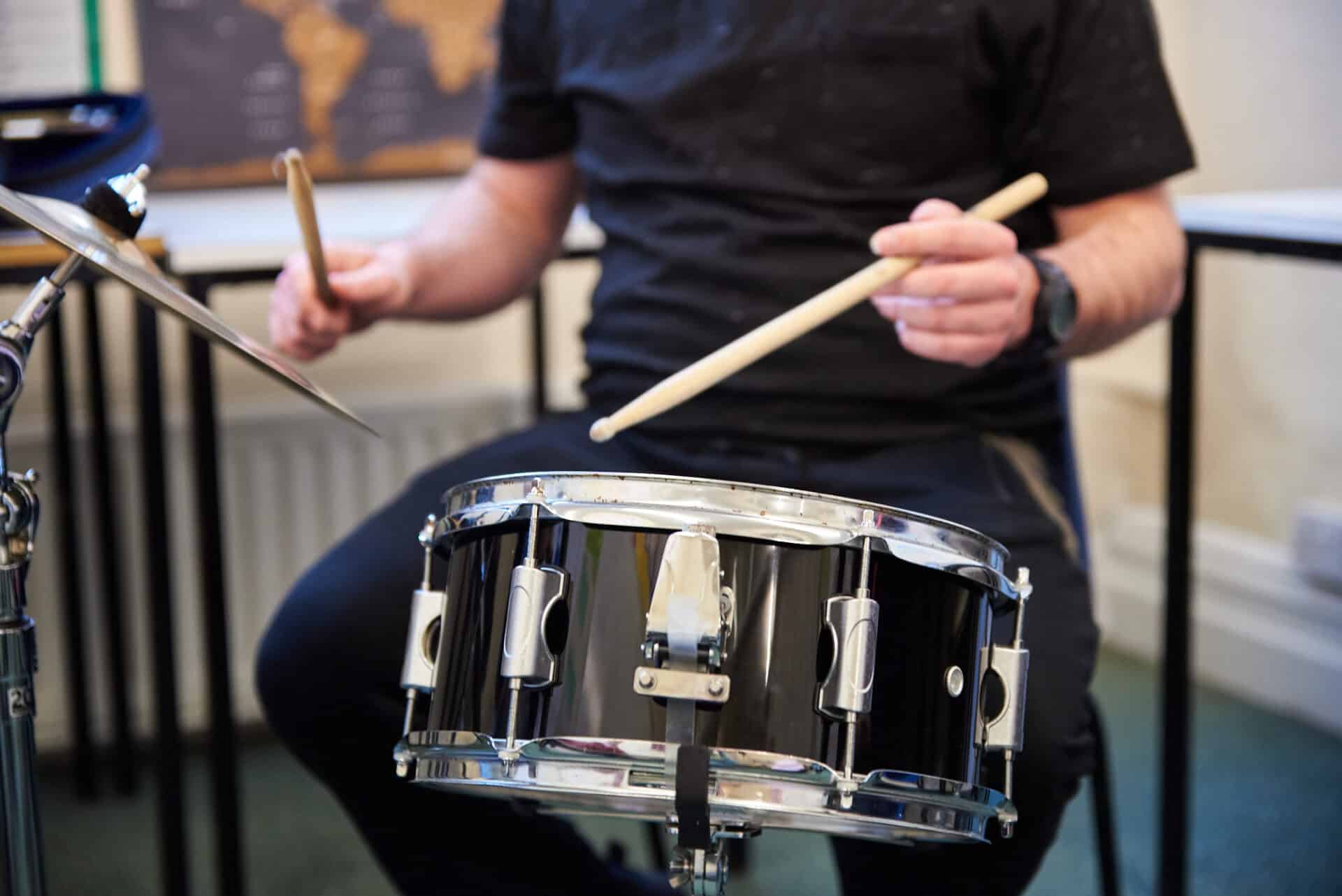
4. Explore different pitches – low and high!
People experiencing hearing loss may still be able to hear some frequencies. So think about exploring different pitches outside of the usual speech range! You can try using acoustic, electronic, or adaptive instruments to help you with this.
For low pitched sounds, you could try playing hand drums or a bass guitar. These can be good instruments to offer to someone experiencing hearing loss, as often you can physically feel the sounds that they make. Think about the vibrations of the drumskin as you hit it, or the twang of a bass guitar string as it’s played.
You can also try very high-pitched sounds. For example, the top of the piano, handbells, cymbals, triangles or even a recorder.
5. Look for spaces with a wooden floor
Did you know that you can feel sound vibrations through the floor? When making music with someone who is hearing impaired, try and find places with a wooden floor if you can. This way, you can experience the sound vibrations together through the floor with bare feet. If you can’t think of anywhere to go – dance spaces typically have this kind of flooring!
A huge thank you to Anna, for sharing her music therapy wisdom with us for this article. And remember whilst we’re celebrating World Hearing Day – you can make music with a loved one all year round!
Latest posts
Can social prescribing support mental health?
How can social prescribing support mental health? Rosie shares her experience of music therapy as a form of social prescribing.
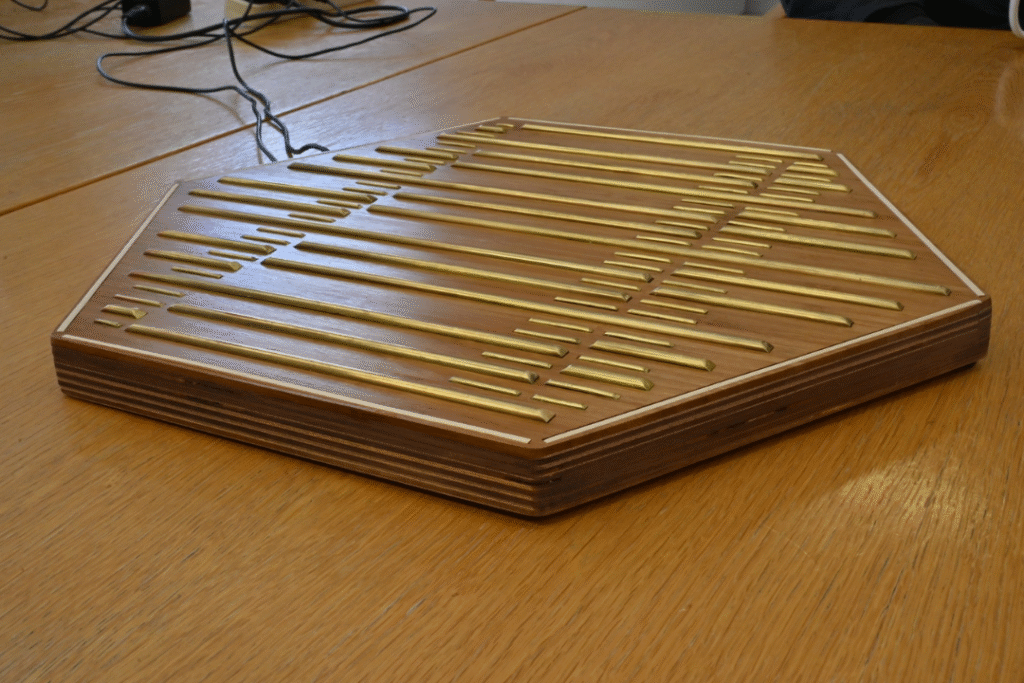
Can technology make music more accessible?
The ‘ReHarp’, a digital instrument designed to support rehabilitation following a stroke or brain injury, is showing how innovation can make music more inclusive, and allow creativity and expression to become a part of recovery.