Five ways music can support people with learning difficulties
It’s Learning Disability Awareness week (17 – 23 June 2024). To celebrate, we spoke to our music therapists who shared their insights on how music can provide support to people with learning difficulties. Plus, their top tips for how you can enjoy music together with someone who has a learning difficulty – whilst considering their individual wants and needs.
How can music support people with learning difficulties? Discover the five different ways
1. It can provide a different way to communicate, without the need for words
Music can offer a different way of communicating for people with learning difficulties. It allows us to connect and relate to one another without the need for language, which can be a barrier for some (but not all) people with learning difficulties. Whether this is playing an instrument or vocalising sounds rather than words, music can be enjoyed in lots of different forms! And appreciating that music can be a method of communication can provide an experience of empowerment and validation, which can help lift someone’s mood and increase self-esteem.
2. …or with words!
People with learning difficulties can still use words in music if they would like and are able to. And some people do find it easier to communicate through songwriting. The lyrics can do many things, such as spreading a message to others, or be an important musical reflection on certain experiences, relationships or even emotions.
3. It can create joy, stimulation, and opportunities to move
Music can create a space to experience joy together! It can be a stimulating and motivating activity for anybody, including those with learning difficulties. In other forms of therapy, there can often be so much focus on ‘improvement’ and goal-meeting, but the joy found in music-making is just as valuable (if not more!).
Music can also offer an excellent opportunity to move. In the words of Mickey, a young adult with physical and learning difficulties who attends music therapy, “music sessions make me move, and this helps my overall mobility.”
4. It can create a safe space to release emotions
Music can offer a way to express difficult emotions. Whether this may be sadness, anger or any other emotion, music can provide an outlet to release and acknowledge these feelings, where opportunities to do so may be limited in day to day life.
5. It can build confidence and encourages companionship
Making music with someone else creates an opportunity to experience musical companionship together. This can be particularly important for people with learning difficulties, as they may often experience stigmatisation and marginalisation, particularly in adulthood. Working together to make music with someone else can offer a great opportunity for connection. And when music might offer a different way for someone with a learning difficulty to communicate, this can help to build up confidence and self-esteem.
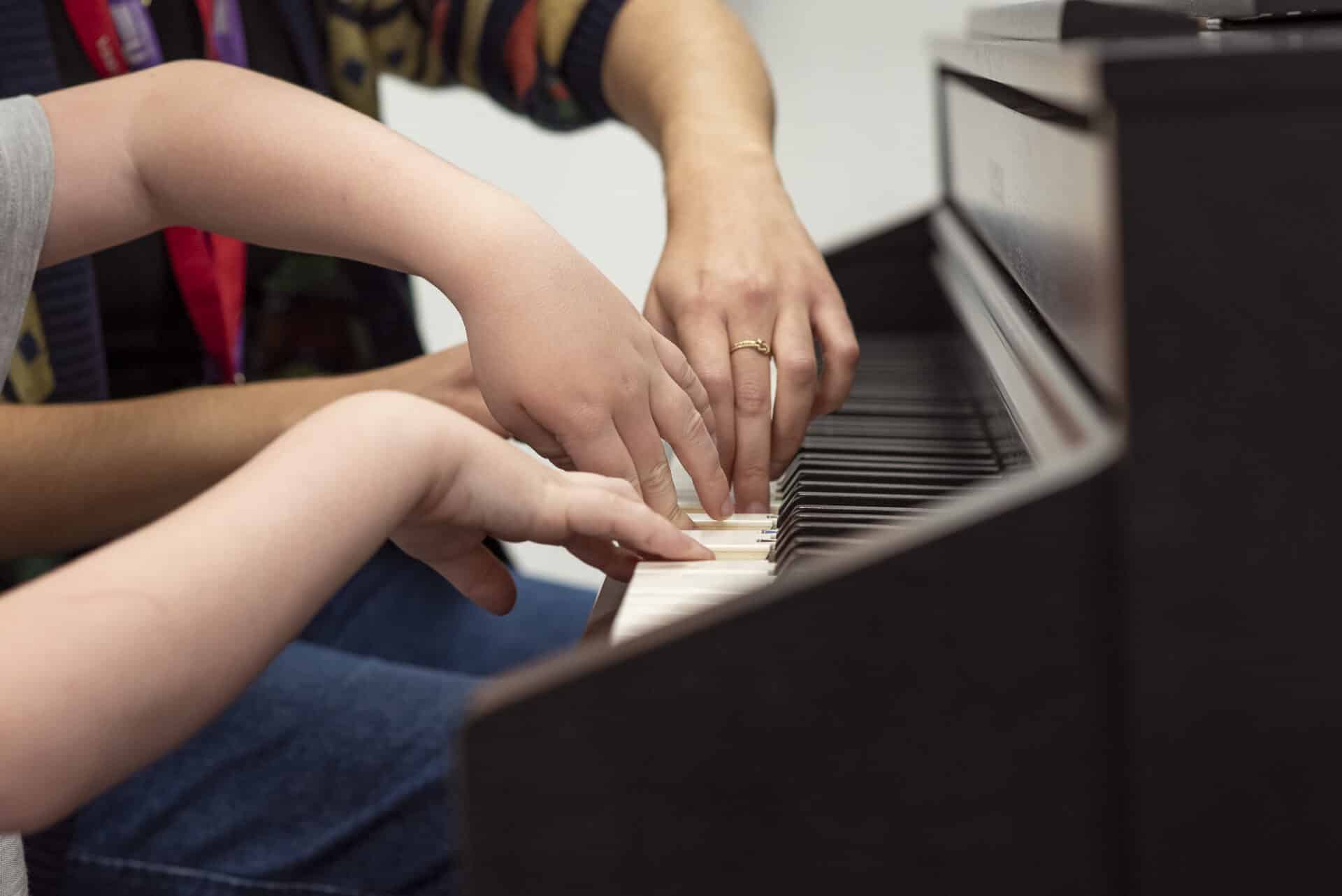
Top tips: how you can enjoy music with someone you care about with a learning difficulty
Don’t rush!
When making music with someone with a learning difficulty, it’s important to not start too quickly. The time it takes each of us to process information coming in, including musical information, varies greatly so try not to forget this. Don’t rush between different songs and activities. Allow yourself and your loved one time to process the music being offered and time to respond to this.
Don’t overlook personal music taste
As humans, our music taste can differ greatly from one another. And this can be important to remember when thinking about the music that someone you care about might want to create with you. Don’t assume that someone’s mobility or speech levels, for example, means that they won’t have their own musical tastes and preferences – as this could be a really important way for them to express themselves.
Your loved one might like lots of different kinds of music, so consider that they might want to change things up sometimes too. The people that our music therapists work with enjoy a wide range of music – from classical pieces to ABBA, Queen, heavy metal, music from musicals, and everything in between!
Celebrate musical contributions – no matter what these look like!
Musical contributions can come in many different forms, as we talked about earlier. So, try to celebrate whatever the person you are making music with brings to the musical collaboration. Whether these are vocalisations, sounds made using instruments or even objects, all are an extremely valid contribution to the musical interaction. To show your engagement, try responding with similar sounds, rhythms or pitches. This can really help to make your loved one feel that both they and their musical contributions are valued by you.
A huge thank you to Mickey and our fantastic music therapists Anna, Beverley, Charlie, Debbie, Lucie, Nicky, and Stella, who shared their wisdom and insights for this blog post!
Latest posts
Can social prescribing support mental health?
How can social prescribing support mental health? Rosie shares her experience of music therapy as a form of social prescribing.
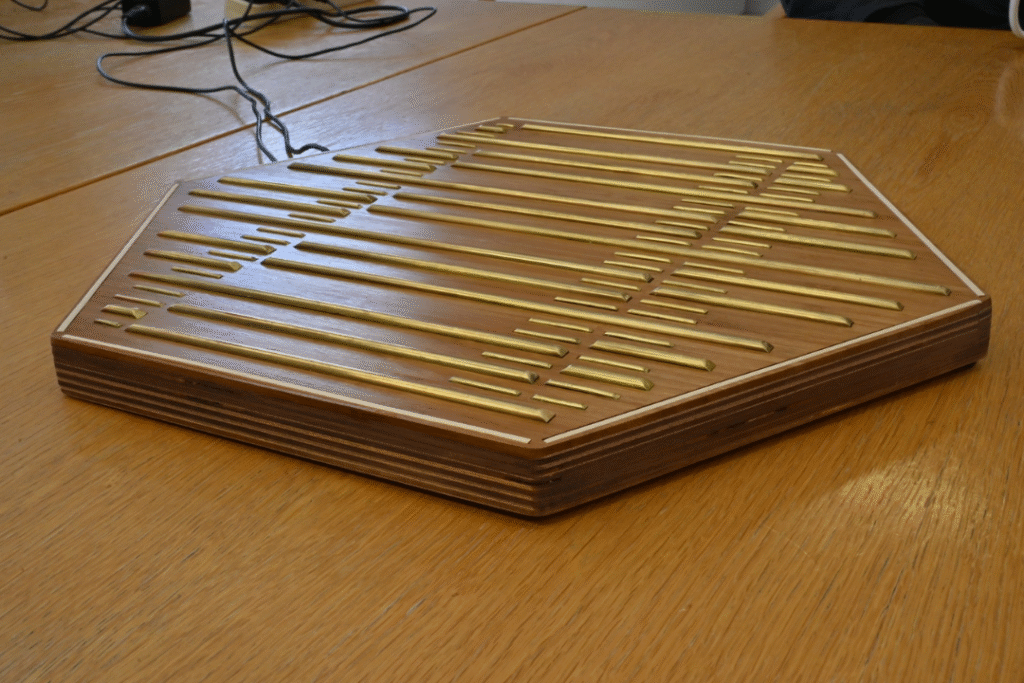
Can technology make music more accessible?
The ‘ReHarp’, a digital instrument designed to support rehabilitation following a stroke or brain injury, is showing how innovation can make music more inclusive, and allow creativity and expression to become a part of recovery.