What is social prescribing, and why is it important?
Social Prescribing Day, celebrated annually on the 19th March, recognises the people, organisations and communities that make social prescribing possible. But what does social prescribing mean, and where does music therapy come in? Find out more below.
What is social prescribing?
When you go to the GP or a hospital, you might expect to come away with a prescription for medication or a medical treatment plan. However, there are many health issues that can’t be treated by doctors or medicine alone. Dementia, mental health issues or even physical health issues like high blood pressure can all be treated with activities that don’t involve medicine.
These activities can take many forms, ranging from the arts, to nature, to physical activity.
Someone with dementia might be prescribed a dementia choir, connecting them to others in the community. Someone with mental health issues might be connected to a gardening or food-growing project. People with high blood pressure would be encouraged to join in a form of physical exercise.
Music therapy can be offered as a form of social prescribing, so that everyone has the opportunity to experience music therapy and its benefits… We imagine a future where you can go to your GP and be referred to Nordoff and Robbins music therapy.
The system is glued together by Social Prescribing Link Workers, who make the connection between people in need and community projects and organisations that can help them. Social prescribing aims to widen the range of treatment options available. This means that it’s available both to people who are taking another form of medicine and those who aren’t.
What are its benefits?
Social prescribing can help people in ways that medicine can’t:
- It creates communities that provide practical and emotional support, helping people feel heard, valued and understood.
- It supports people in tackling practical issues which affect their health, like legal or financial problems.
- Arts, culture, nature, physical activity and heritage activities reduce stress and loneliness, which is beneficial in reducing the negative effects of all health conditions.
Social prescribing also takes pressure off the NHS – when local organisations step in, they reduce the need for GP appointments and medical prescriptions.
How music therapy can play a role
The evidence behind music therapy is strong. It’s been shown to help people with a huge range of conditions, including mental health conditions, dementia, learning difficulties, autism, cancer, trauma, and other physical illnesses.
It’s also effective at supporting people who are experiencing challenging life circumstances, such as addiction, homelessness or domestic abuse. Music is part of our DNA, and it has enormous healing potential.
Music therapy can be offered as a form of social prescribing, so that everyone has the opportunity to experience music therapy and its benefits. Alongside other arts and cultural activities like drawing or crafts classes, music therapy has the potential to transform the health of people across the country.
We imagine a future where you can go to your GP and be referred to Nordoff and Robbins music therapy, so we’re working with the National Academy for Social Prescribing and other organisations in the Power of Music Consortium to help make this dream a reality.
The Hive, Camden
In honour of Social Prescribing Day, we’re delighted to share an update about a social prescribing project that’s currently taking place. The Hive is a free mental health and wellbeing service that supports young people aged 16-24. At their hub in Camden, they provide one-to-one mentoring and a social hub. Now, they’re partnering with us to offer music therapy to young people who have a Camden GP or Camden address.
The project will involve 12 group sessions at the Nordoff and Robbins London Centre, and will focus on songwriting, recording and performance. In doing so, we’ll aim to build and widen the social connections of every participant.
We’re delighted to be working with The Hive and are really looking forward to welcoming the young musicians to our London Centre and supporting their creative development.
Oliver Kluczewski, Regional Manager for North London and Central England
If you’d like to take part, or know someone else who would benefit, you can contact The Hive at [email protected], or 020 3198 0520.
Latest posts
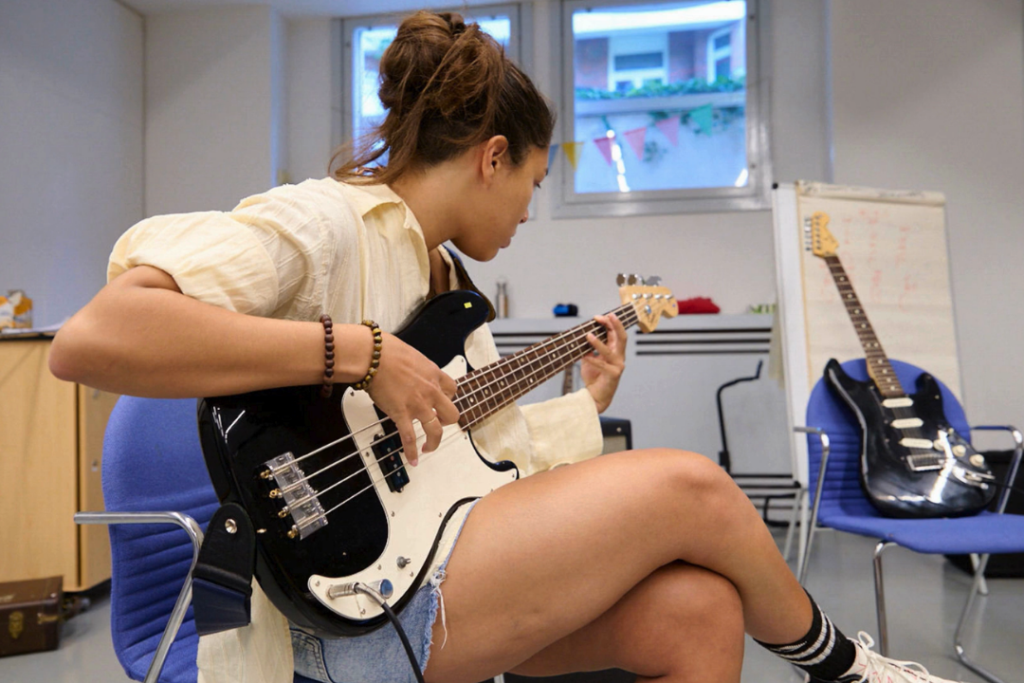
Can social prescribing support mental health?
How can social prescribing support mental health? Rosie shares her experience of music therapy as a form of social prescribing.
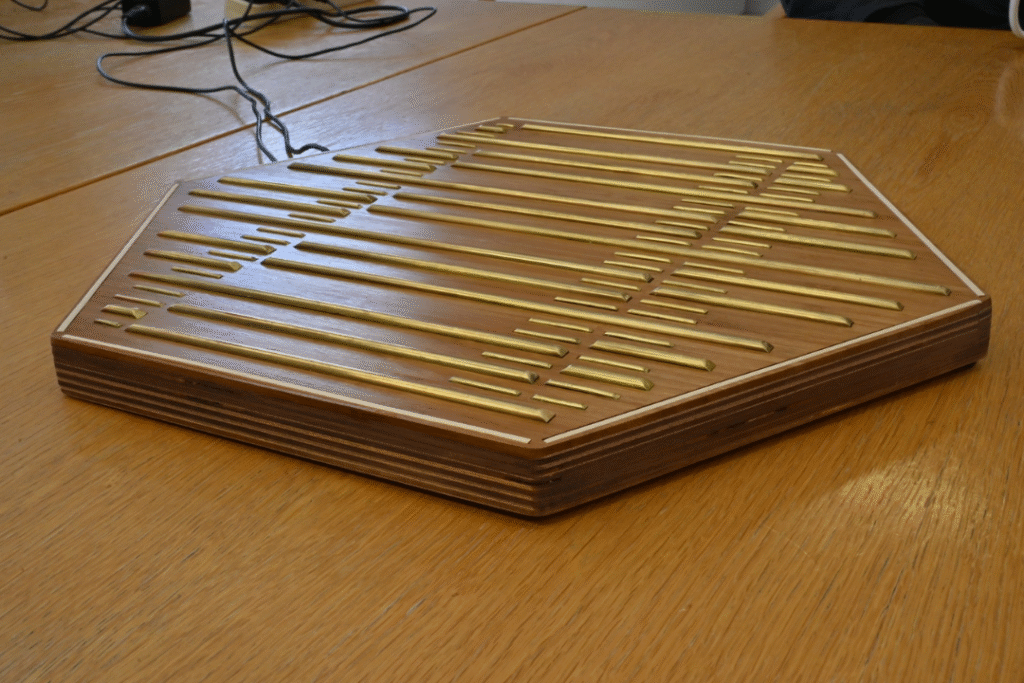
Can technology make music more accessible?
The ‘ReHarp’, a digital instrument designed to support rehabilitation following a stroke or brain injury, is showing how innovation can make music more inclusive, and allow creativity and expression to become a part of recovery.