Can social prescribing support mental health?
Estimated reading time: 4 minutes
Social prescribing aims to improve health and wellbeing, and can come in many different forms. But can it provide support for mental health? Music therapy can be offered as a form of social prescribing to support people in a range of circumstances, including for mental health. Rosie was referred for music therapy with Nordoff and Robbins through ‘The Hive,’ a mental health and wellbeing service for young people. This Social Prescribing Day, she shares her experience.
What is social prescribing?
Social prescribing offers non-medical options to address health issues that can’t be treated by doctors or medicine alone. It could be offered to people with a variety of health conditions such as dementia, mental health challenges, or high blood pressure. Instead of (or alongside) medication, patients might be referred to activities such as music therapy, gardening projects, or physical exercise to help improve their health and wellbeing.
Music therapy as social prescribing
Music therapy can be offered as a form of social prescribing, so that everyone can experience its benefits. There’s strong evidence showing it can help to support people with a range of health conditions and life circumstances, including for mental health conditions, dementia and people experiencing homelessness.
Recently we partnered with The Hive, a mental health and wellbeing service for young people, on a social prescribing project. As part of the project, young people who have a Camden GP or Camden address were offered music therapy to support their mental health.
Rosie’s music therapy experience
Rosie is one of the young people who accessed music therapy as part of our social prescribing project with The Hive.
She attended group music therapy sessions at our London Centre, which focused on songwriting, recording and performance. The aim of the group sessions was to build and widen the social connections of everyone who attended, and for Rosie it provided a social aspect to making music which helped her ideas to grow. She shared:
It was really fruitful having a group of people to bounce ideas off of. Most of the time, I create music by myself, so it was a nice change. Working with others definitely helped pull ideas that never would’ve come out otherwise!
Rosie
Intense emotions are the driving force for Rosie’s music-creation process, whether it’s “sadness, joy, longing, all of the above, and anything else you can think of!” she shared. She described a sense of relief after music therapy sessions, from being able to turn to ideas into tangible, listenable music.
Listen to Rosie’s song ‘Never Was’
Rosie wrote her original song ‘Never Was’ as she navigated the emotions of heartbreak, and candidly shared: “I needed to find a way to live with it better because I was so fed up with crying on the tube!” She wrote the first few song verses whilst sitting on the Northern Line of the London tube and went on to professionally record the final version thanks to our partner Sony Music Publishing.
Rosie was able to use music to channel important emotions, and she expects music-making will always be part of her life, she shared. You can listen to her original song ‘Never Was,’ below.
Latest posts
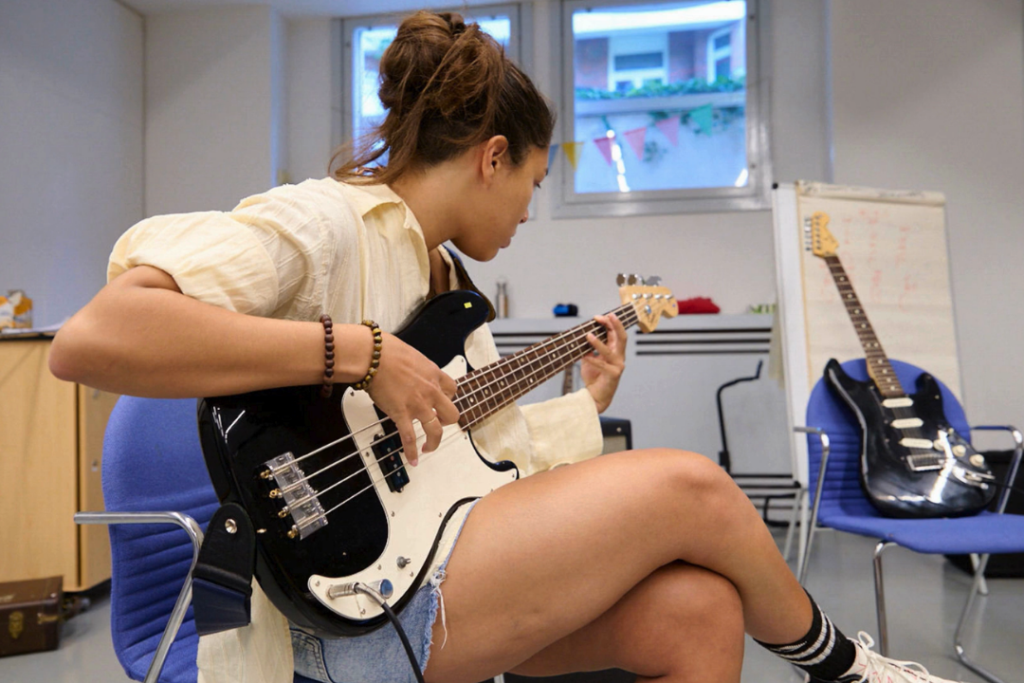
Can social prescribing support mental health?
How can social prescribing support mental health? Rosie shares her experience of music therapy as a form of social prescribing.
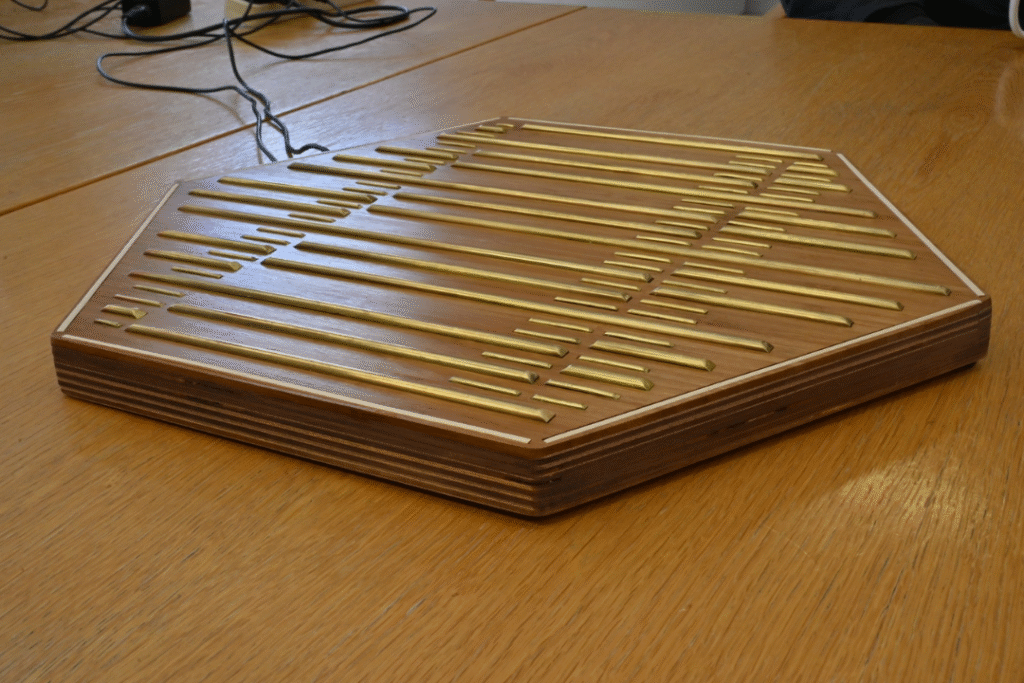
Can technology make music more accessible?
The ‘ReHarp’, a digital instrument designed to support rehabilitation following a stroke or brain injury, is showing how innovation can make music more inclusive, and allow creativity and expression to become a part of recovery.