Erol’s story
Music therapy provides a collaborative space for Erol to connect, through music.
Erol suffered a head injury following a road traffic accident that dramatically affected his speech, cognition, movement, and his connection to the world around him.
He attends Headway in East London, a specialist day centre for adults with acquired brain injury. And just this year he celebrated his 60th birthday.
Developing social health is a large focus at Headway. And Erol was referred to music therapy sessions with Oli to provide him with more opportunity for social interaction and collaboration with others.
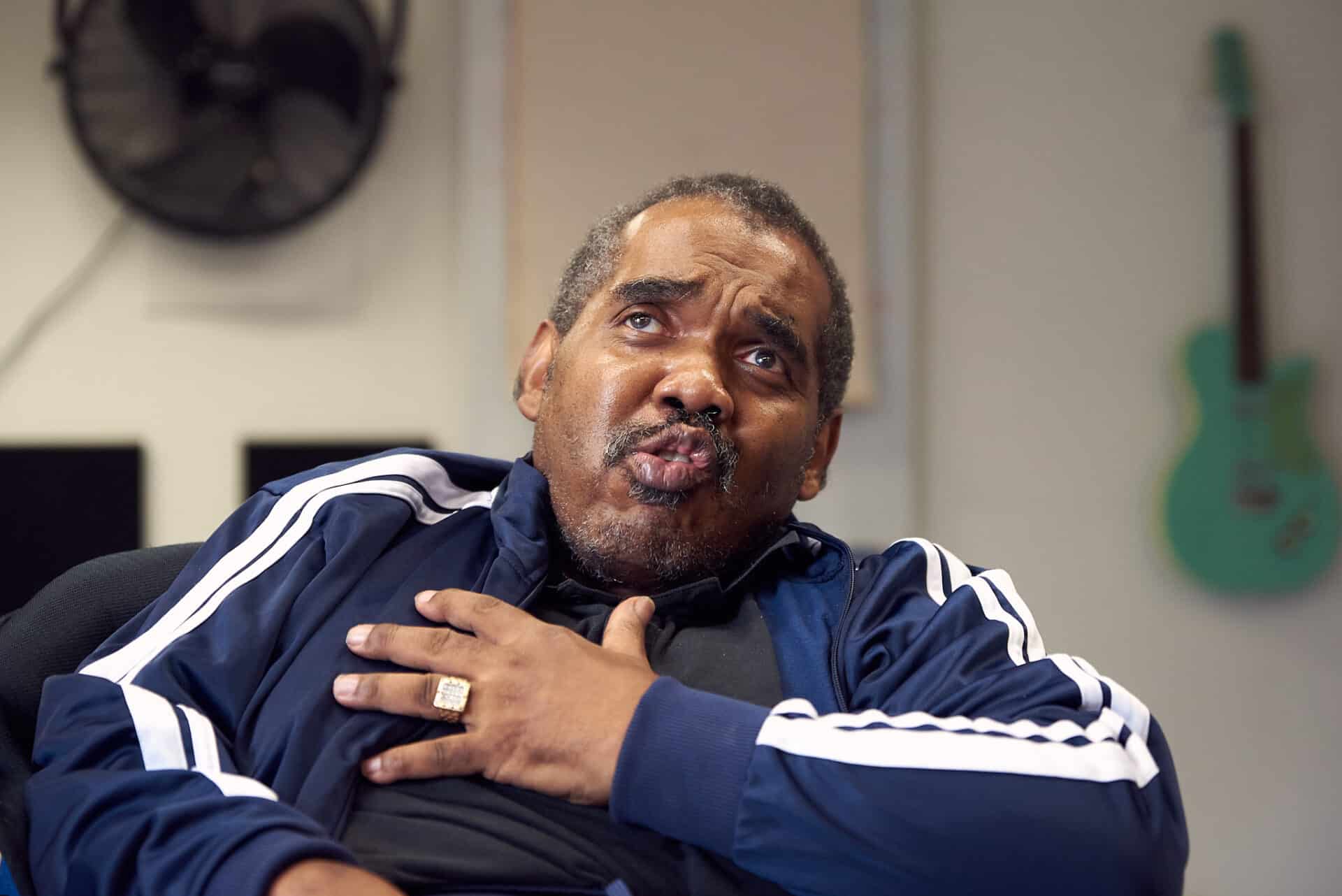
Erol enjoys singing during music therapy sessions, and his music has a sense of theatre, humour, and performance as he moves through the music. He knows many songs and often introduces short fragments of melodies and words from these into the music he makes together with Oli. Erol’s engagement with the music is clear through his body language and movement, which often become more expansive and expressive as a music therapy session goes on.
Erol has a strong creative identity and in our weekly music sessions we improvise, sing and explore his rich musical history. I’m always listening for opportunities for us to connect and be in the present, together in music. My hope is that the sessions become a place of safety and trust for Erol, a space for him to express and be in a state of flow that may not always be available in other parts of his life.
Oli, Erol’s music therapist
There’s strong evidence that shows how effective music therapy can be for people living with neurological conditions. It improves functional movement, awareness and can bring joy to their lives through the positive connections made to others.
James, a key worker at Headway East London said: “It’s hard to express the importance and quality of the work that Nordoff and Robbins and Oli have done with the members of Headway East London. Our partnership with Nordoff and Robbins is invaluable to the work that we do at Headway East London in supporting people with acquired brain injury.”
Stories
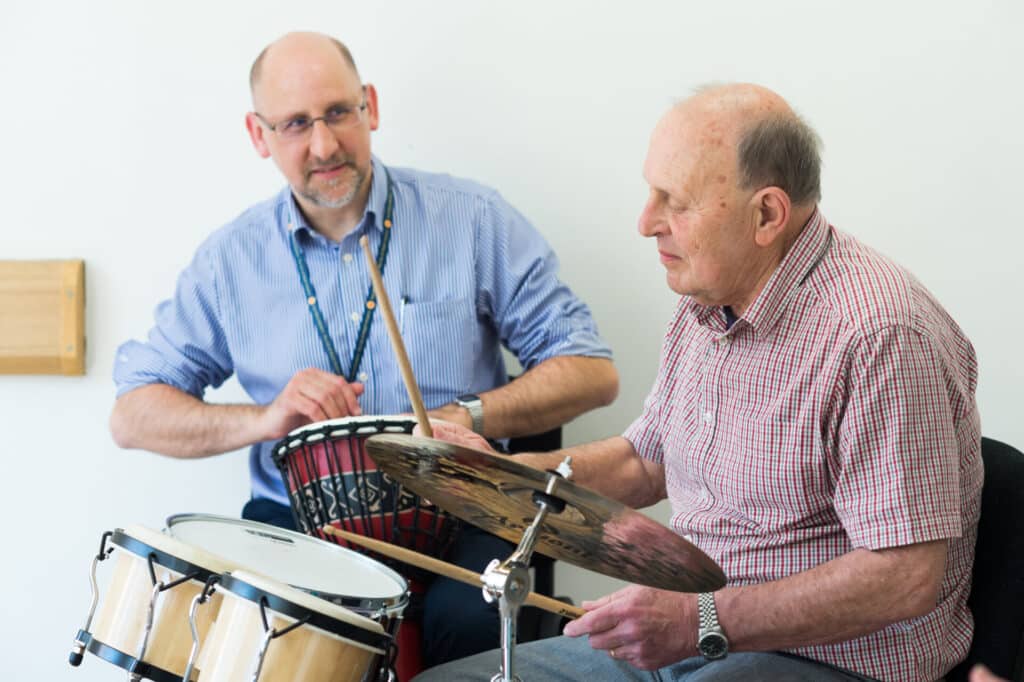
Geoff’s story
After a massive heart attack put many of Geoff’s previous hobbies beyond his reach, music therapy drum sessions brought a welcome new rhythm to his life.
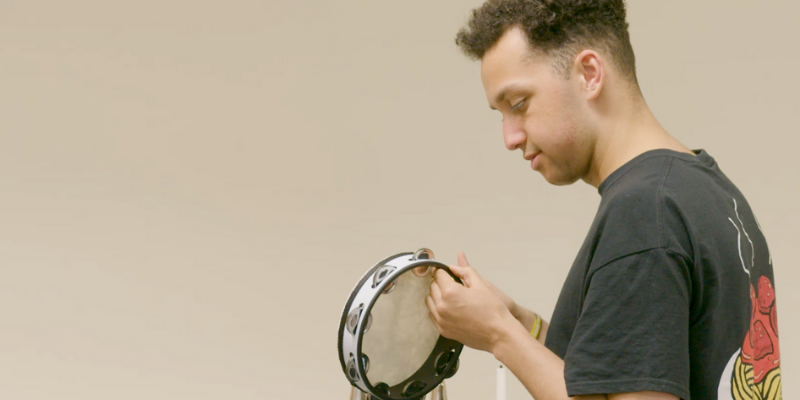
Harvey’s story
Harvey is autistic, and has ADHD and sensory issues. Music therapy has helped to give him a voice, and a space for him to be himself.
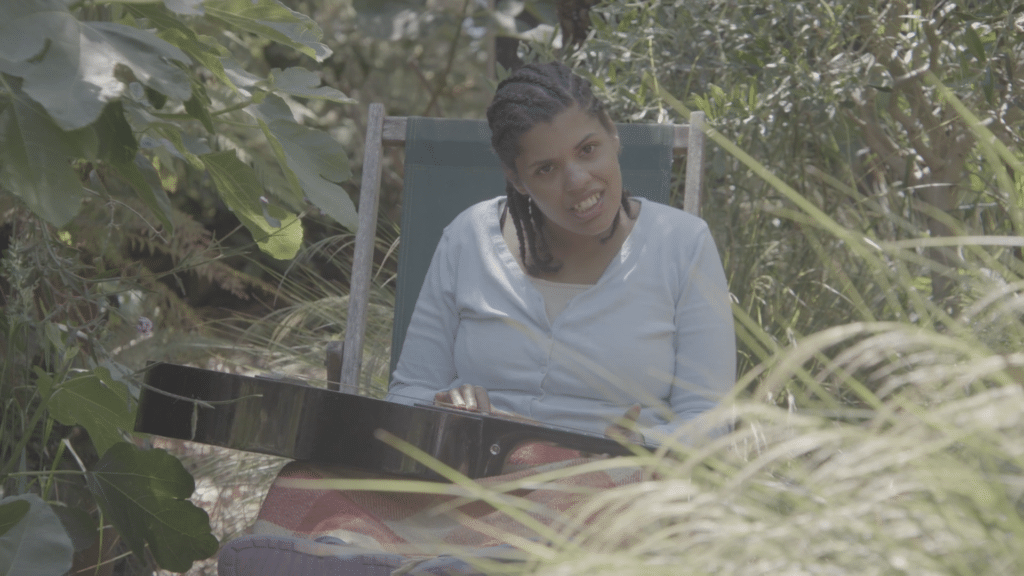
Inez’s story
When Inez started having music therapy sessions she was mesmerised from the start. “Her eyes light up and she smiles,” says Inez’s mum, Julia.